Recovery after rhinoplasty: what to expect week by week
When the splint comes off, when the swelling goes and when the nose takes its final shape: the stages of recovery.
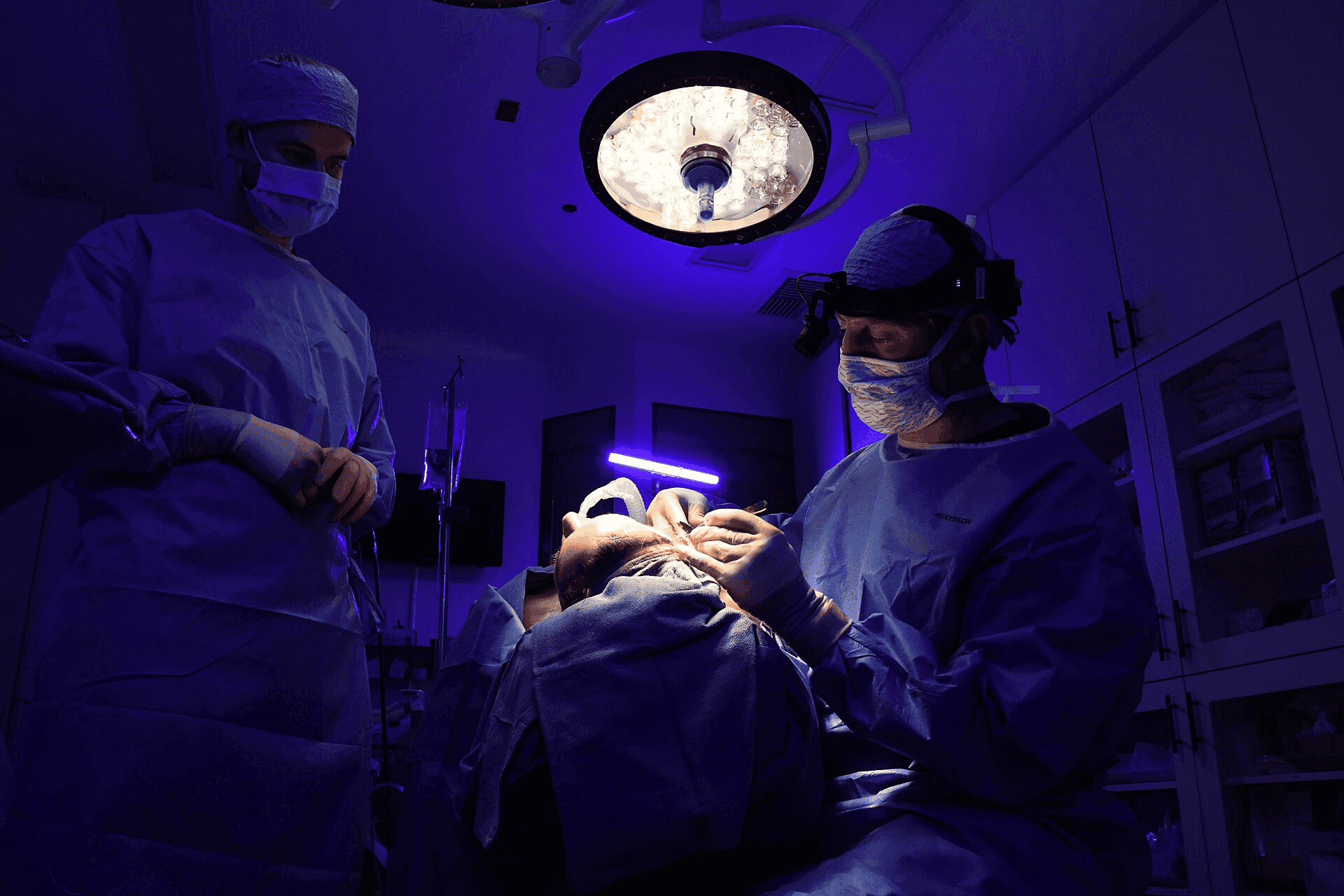
The question asked most often about rhinoplasty is not about the operation itself but about the days after it: when can I go back to work, when will the swelling go, when will my nose take its final shape? The short answer is that you are back among people in two weeks and you see the final result in a year. Below I explain that path stage by stage.
The first week: the most uncomfortable, but the shortest
After the operation there is a splint on your nose and sometimes soft silicone sheets inside it. Pain is usually less than expected; what bothers patients more is a blocked nose and breathing through the mouth. Bruising and swelling around the eyes peak on the second or third day and then begin to settle.
- Keep your head raised and sleep on two pillows
- Apply cold compresses around the eyes for the first two days
- Do not wipe or blow your nose, and keep your mouth open when you sneeze
- Take the prescribed medicines on time
The second week: the splint comes off
The splint and stitches are removed between the seventh and tenth day. The moment makes many people nervous, but one thing is worth knowing: the nose you see is not the final result. It is swollen, and the tip may point slightly upward. The bruises turn yellow and can be covered with make-up. Most patients return to office work at the end of this week.
The first month: back to daily life
- Light walking is fine; the gym and running are not yet
- Glasses must not rest on the nose for at least four to six weeks
- Protect yourself from the sun: swollen tissue marks easily in sunlight
- Stay away from games and sports where your nose could be hit
During this period the nose may look more swollen in the morning and better in the evening. That is normal. Looking in the mirror every hour will only worry you.
Three months to a year: the time for patience
By the third month most of the swelling has gone and the overall shape of the nose is visible. The tip is the last part to heal: numbness and firmness there can last for months. In patients with thick skin the process takes longer. The final shape usually settles at twelve months, sometimes later.
The hardest instrument in rhinoplasty is not the scalpel, it is patience.
When to contact me without waiting
- A nosebleed that is heavy or does not stop
- A high temperature and increasing pain
- Sharp redness, heat and pus in the nose
- A change in vision or a severe headache
These are rare, but when they happen you must not wait for the next appointment. For all your other questions there are follow-up visits: do not miss them, because only an examination shows that healing is on course.