The equipment I use in surgery
The result of an operation depends on the surgeon's experience and on the equipment as well. Below I explain in plain language the main devices I use during an operation and what each one means for you.
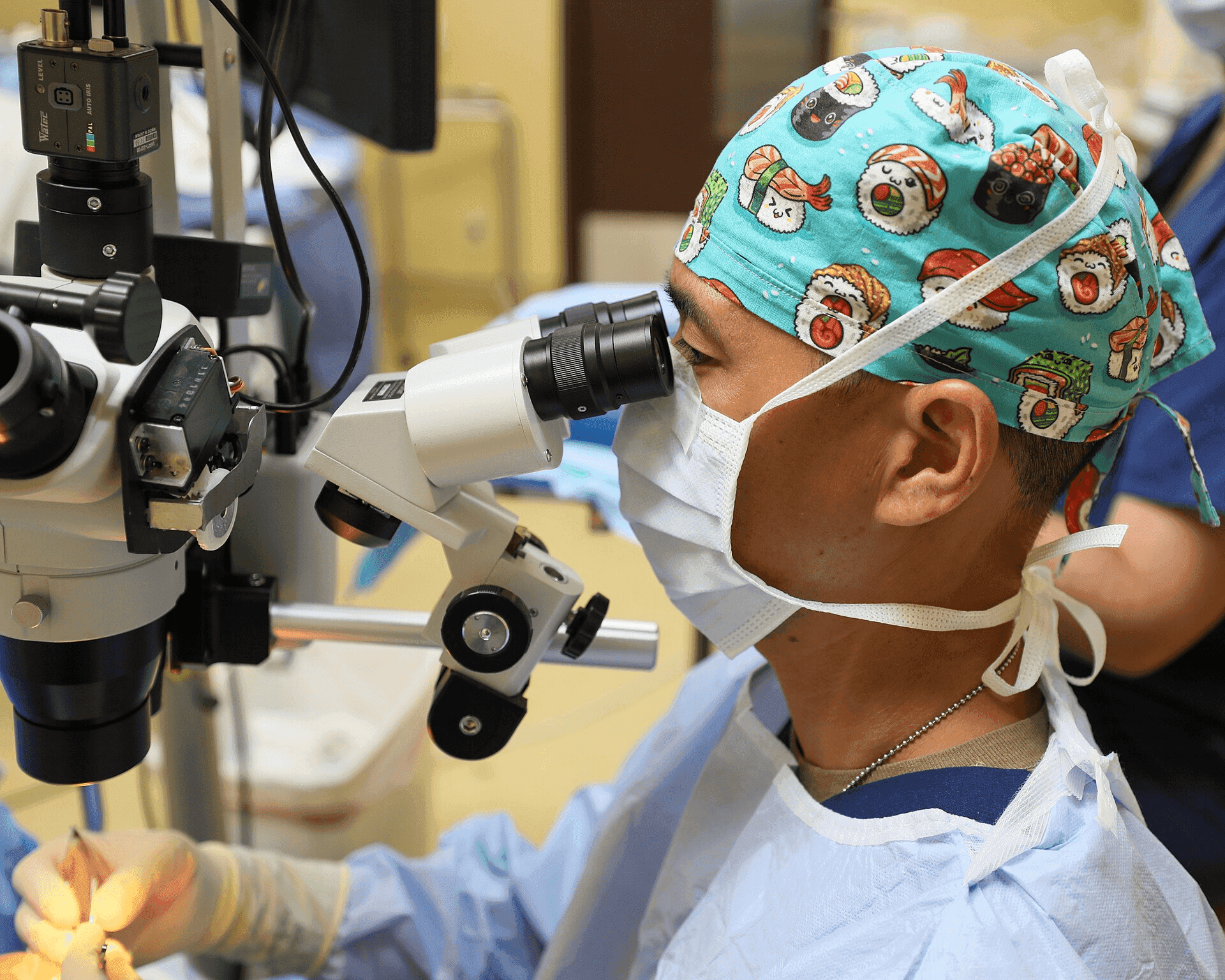
Operating microscope
It magnifies tissue many times over. Under the microscope I suture vessels and nerves one to two millimetres wide. That is how a severed finger can be reattached and tissue transferred.
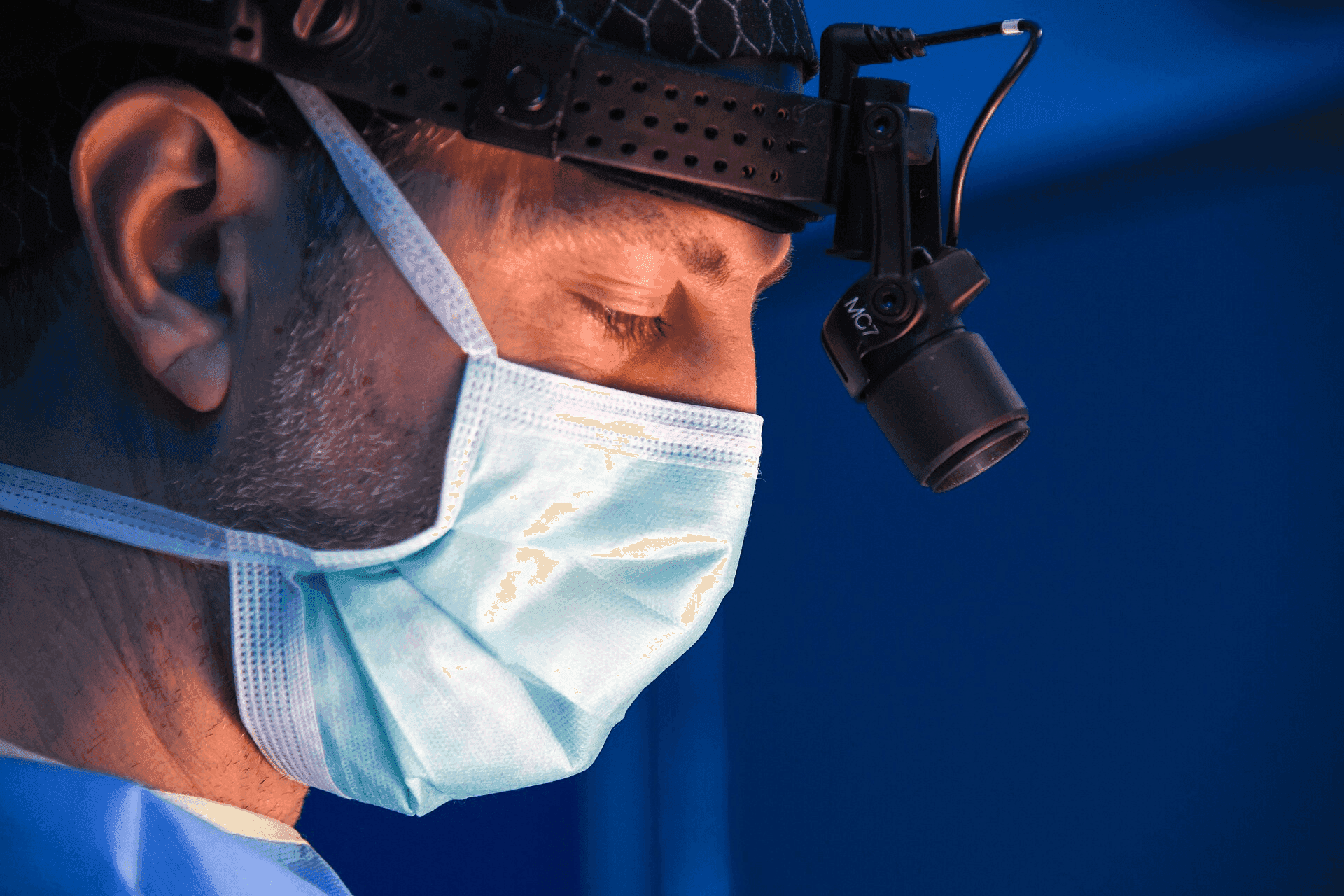
Surgical loupes and headlight
Magnifying lenses mounted on my glasses and a light worn on the forehead. In nose, eyelid and facial surgery they make small vessels visible, so there is less bleeding and the stitches are finer.
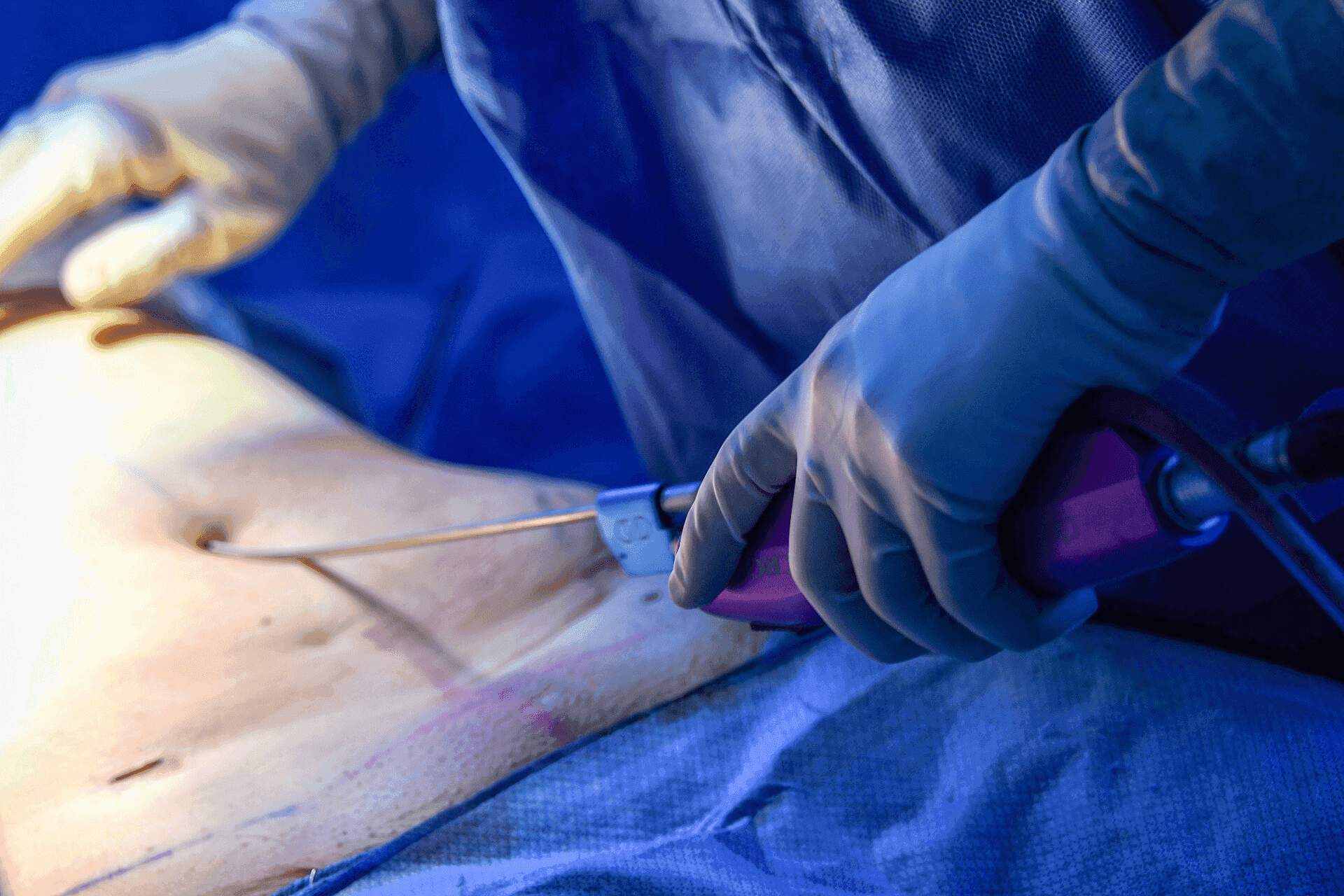
Power-assisted liposuction device
A thin cannula makes thousands of tiny movements a second and gently loosens fat tissue. This helps to remove fat more evenly, spares the surrounding tissue and makes recovery easier.
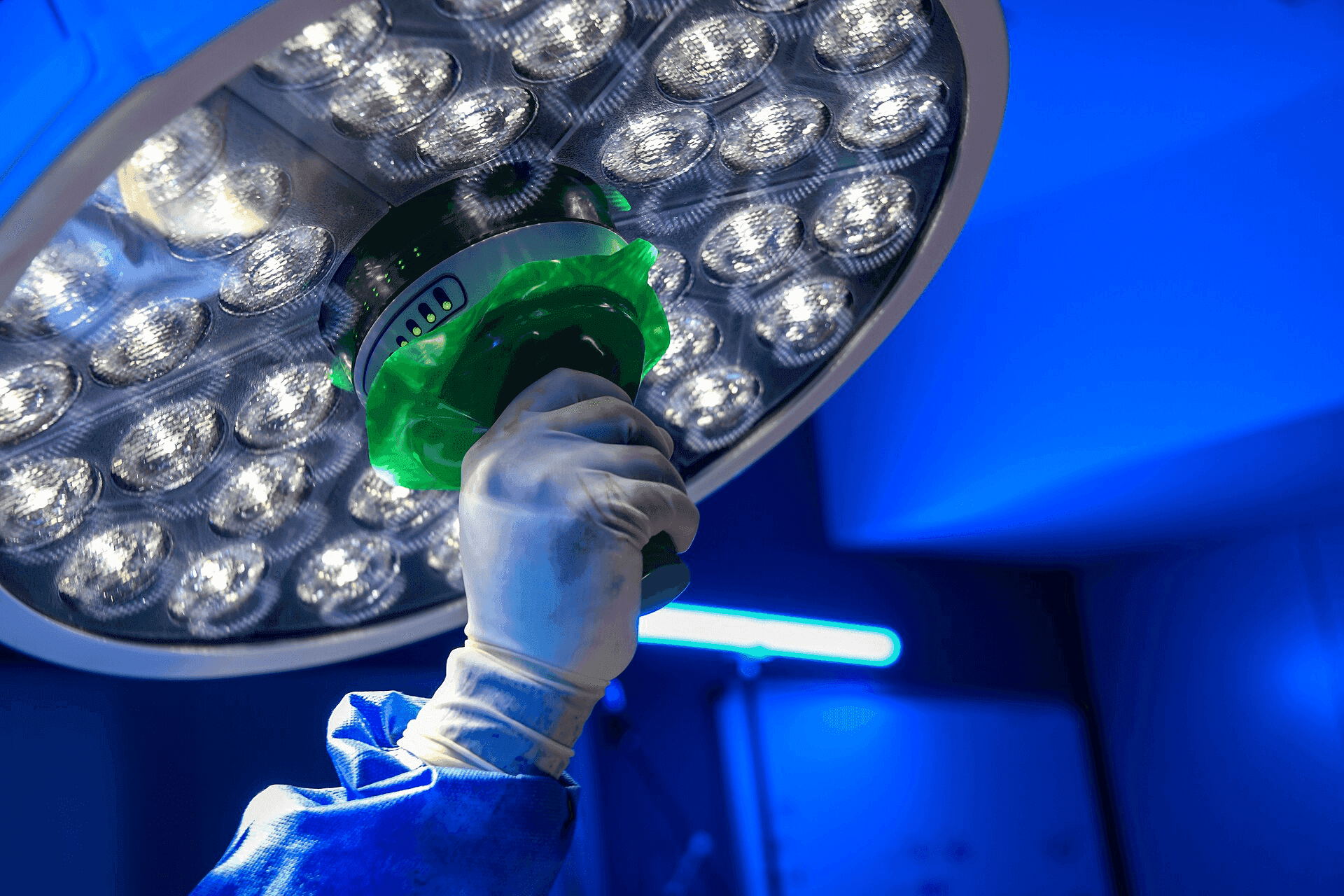
Shadow-free surgical light
Dozens of LED sources light the operating field without casting shadows or changing the natural colour of tissue. I can judge the blood supply of tissue correctly by its colour.
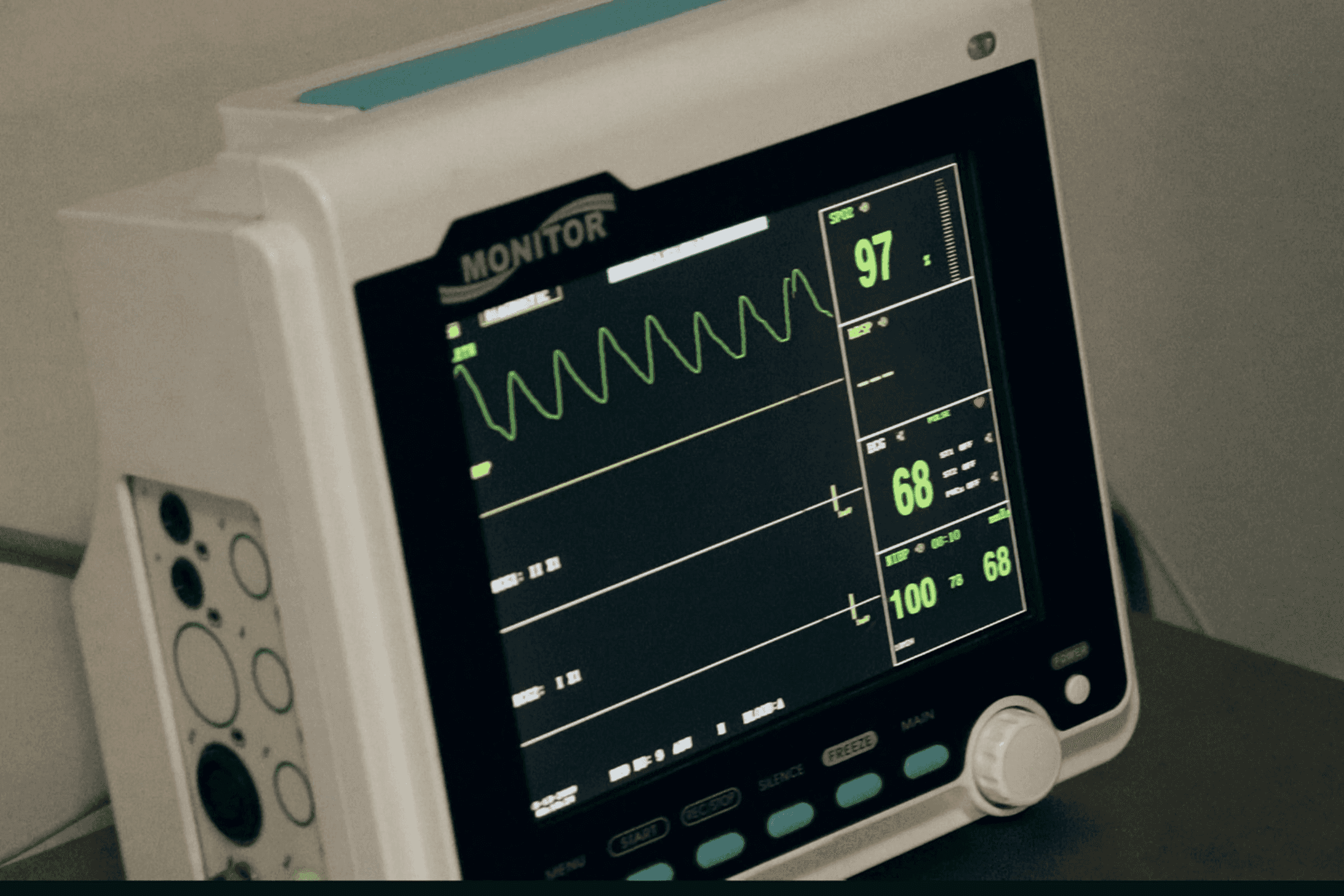
Patient monitor and anaesthesia machine
Your heart rhythm, blood pressure, breathing and blood oxygen level are measured continuously throughout the operation. The anaesthetist sees the smallest change at once and responds.
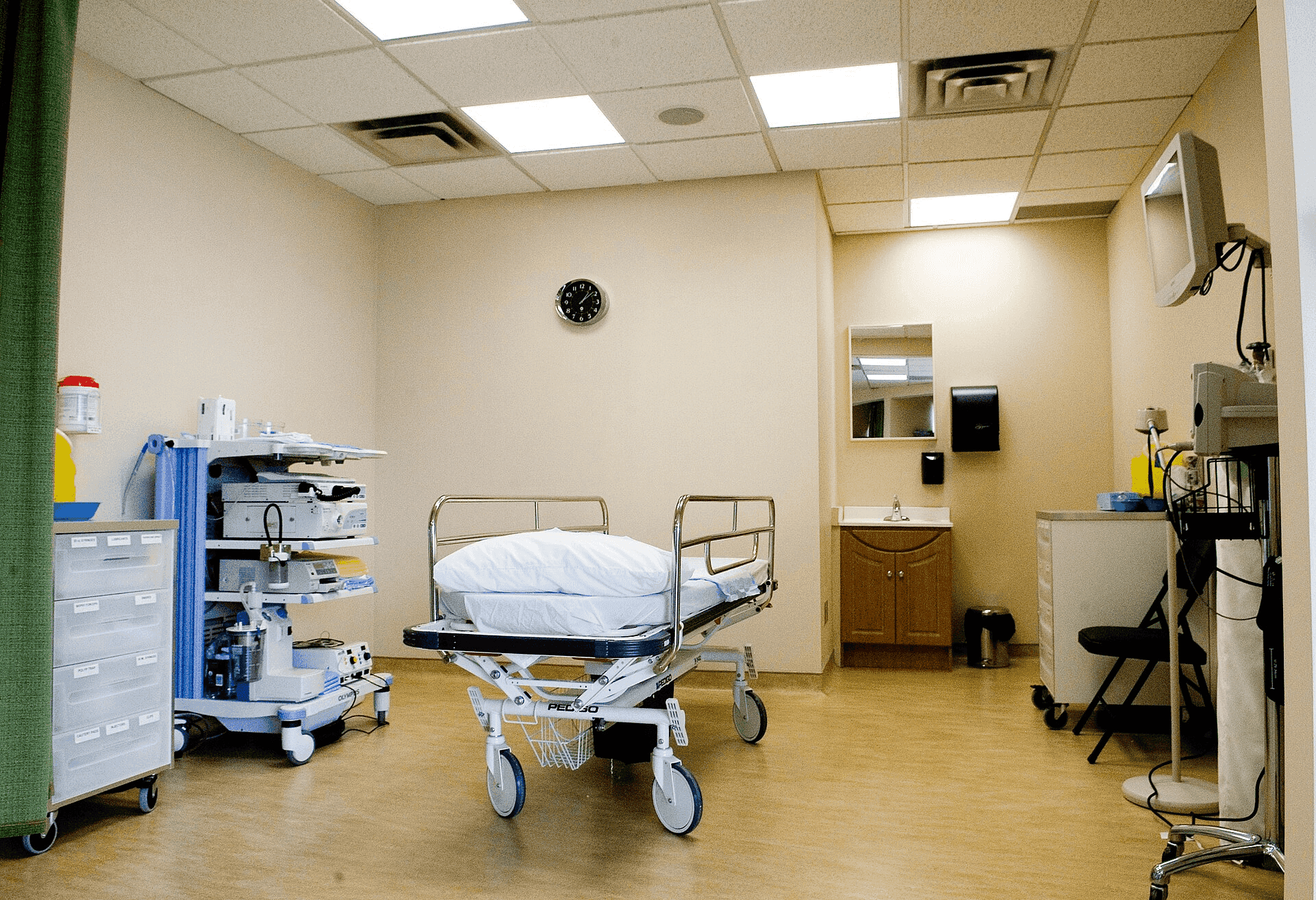
Endoscopic system
A thin camera sends the image to a screen, and I work through an incision of one to two centimetres. Operations such as a brow and forehead lift no longer need a long incision, and the scar stays in the hair.